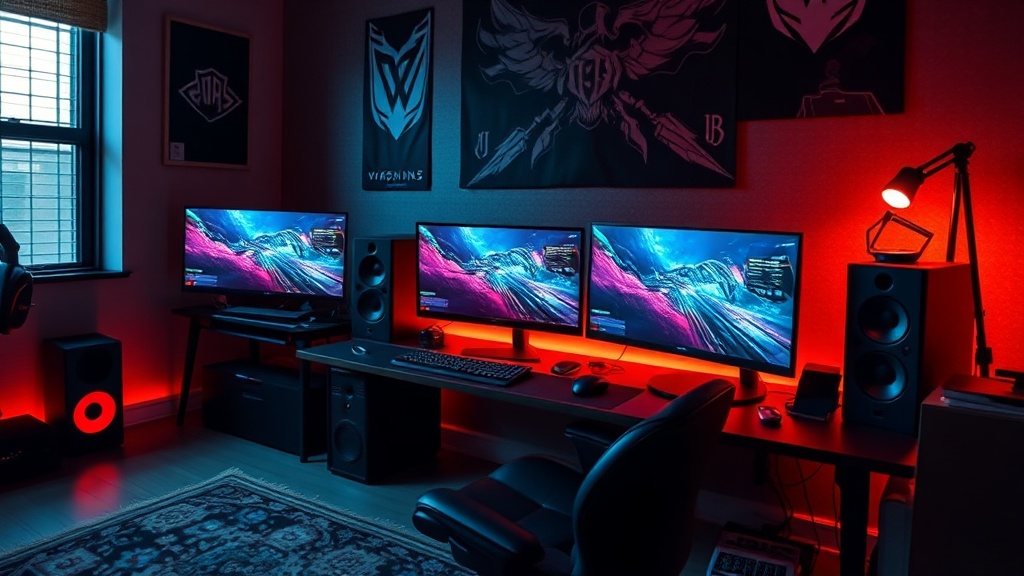
Why Your Gaming Setup Feels Like a Burden Instead of a Retreat

Imagine sitting down after a long day of work or study. You see your glowing PC, the RGB fans spinning, and your high-end headset resting on the stand. You intended to play for an hour to unwind, but instead, you find yourself staring at the desktop—feeling a strange sense of dread. The thought of engaging with a lobby, managing a Discord call, or even just clicking "Play" feels heavy. This isn't laziness. It's a sign that your relationship with your hardware and your digital environment has shifted from a source of joy to a source of mental fatigue.
This phenomenon often happens when our physical and digital spaces become cluttered or overly demanding. We spend so much time optimizing settings, chasing the highest refresh rates, or managing a massive library of unplayed titles that the act of gaming becomes another task on the to-do list. When your hobby feels like work, you've lost the very thing that makes it a refuge.
Is your gaming desk actually making you tired?
Most players focus on the specs of their GPU, but they rarely look at the ergonomics of their immediate surroundings. If your monitor is too low, forcing a hunch in your upper back, or if your chair lacks proper lumbar support, your body is working harder than your brain is. This physical strain sends signals to your nervous system that you are in a state of stress, not relaxation. Even a top-tier PC won't save you from the fatigue caused by a bad desk setup.
Consider the concept of "sensory overload." A desk covered in tangled cables, half-empty water bottles, and excessive peripherals creates visual noise. This noise pulls at your focus, even when you aren't looking directly at it. To fix this, you don't need to buy a new desk; you need to clear the clutter. A clean surface isn't just about aesthetics—it's about mental clarity. When your space is organized, your brain can transition into "play mode" much faster.
How much time should you spend gaming to avoid burnout?
The answer isn't a fixed number of hours, but rather a question of how you feel when you stop. If you finish a session feeling energized, you've found your sweet spot. If you finish feeling irritable, headache-prone, or physically drained, you've overstayed your welcome. I learned this the hard way during my competitive years. I thought more hours meant more skill, but I was actually just training my brain to associate gaming with exhaustion.
Try implementing a "hard stop" rule. Instead of playing until you fall asleep, decide on a time when the computer shuts down regardless of where you are in a match or a campaign. This creates a boundary that protects your sleep hygiene and ensures that gaming remains a treat, not a compulsory habit. You can find much more about the importance of sleep and cognitive function through resources like the Sleep Foundation, which highlights how blue light and late-night stimulation affect your recovery.
Can a cluttered digital library cause decision fatigue?
We've all been there: scrolling through Steam or your console dashboard, seeing hundreds of games, and ultimately deciding to do nothing at all. This is decision fatigue. When you have too many choices, the mental energy required to pick just one becomes too high. Instead of enjoying a game, you spend your precious leisure time managing your collection.
To combat this, try the "One Active Game" method. Pick one long-form RPG or a single-player adventure and commit to it for a week. Keep a second, much shorter or more casual game for when you don't have the energy for a deep narrative. By narrowing your focus, you reduce the friction of starting a session. This keeps the experience light and prevents the overwhelming feeling of an endless backlog.
Don't let the "unplayed" count weigh on you. A game is a tool for your enjoyment, not a debt you owe to your library. If a game doesn't capture your interest after two hours, drop it. Your time is the most valuable resource you have, and using it on something that doesn't resonate is a waste of your personal freedom.
How do I fix my gaming-induced fatigue?
If you are already feeling the burnout, the best move is a deliberate period of abstinence. This doesn't mean you'll never play again, but rather that you need to reset your dopamine receptors. Spend a few days engaging in low-stimulus activities. Read a book, go for a walk, or simply sit in silence. This allows your brain to recalibrate and makes the eventual return to gaming feel fresh and exciting again.
When you do return, change your environment. If you usually play in a dark room with high-intensity RGB, try playing in a brightly lit room or even moving to a handheld device like a Steam Deck or a console in a different setting. Changing the physical context can break the cycle of association between your desk and your fatigue. For more insights into how much screen time is actually healthy, the CDC provides various guidelines on digital wellness and sedentary behavior.
Lastly, check your posture. A simple ergonomic adjustment—like raising your monitor to eye level—can change the entire sensation of a gaming session. If you aren't fighting against your own body, you'll find you have much more energy to actually enjoy the content on the screen. Remember, the goal isn't to be the best player in the world; the goal is to be a happy one.