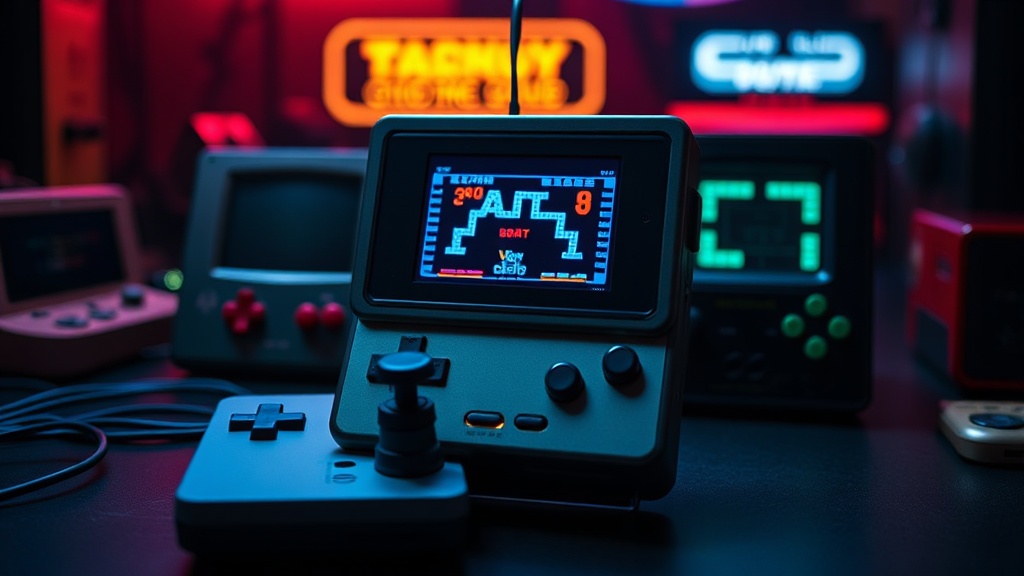
Retro Handhelds That Bring Classic Arcade Vibes to Your Pocket

The Budget King: Anbernic RG35XX
High-End Power: Miyoo Mini Plus
Premium Experience: Retroid Pocket 4 Pro
Classic Feel: Powkiddy RGB Retro handheld
This post explores the best retro handheld gaming devices currently on the market, focusing on build quality, screen performance, and emulation accuracy. You'll find specific recommendations for different budgets and use cases, ranging from budget-friendly handhelds to premium enthusiast devices.
What are the best retro handhelds for arcade emulation?
The best retro handhelds for arcade emulation are devices equipped with high-quality screens and dedicated buttons that mimic the tactile feel of classic arcade sticks. While many cheap devices claim to run everything, true arcade-style play requires low input lag and a screen that can handle the specific aspect ratios of older cabinets.
If you want to play 16-bit era games or classic arcade titles, you aren't just looking for a screen—you're looking for a feeling. I've spent way too many hours in the past trying to grind through competitive matches, only to realize that sometimes you just want to sit on a couch and play a simple side-scroller without the stress of a ranked ladder.
The Anbernic RG35XX is a fantastic entry point. It’s small, affordable, and handles everything up to the PlayStation 1 era with surprising ease. It doesn't have the power of a modern PC, but for a quick session on the bus or during a break, it's perfect.
For those who want something a bit more substantial, the Miyoo Mini Plus has a massive following. The community around this device is huge. That means if you run into a technical snag, there's likely a custom firmware or a YouTube tutorial waiting to help you out. It’s lightweight and fits easily in a pocket—though I wouldn't recommend throwing it in a heavy bag without a case.
The Retroid Pocket 4 Pro moves into a different tier entirely. It’s significantly more powerful and can handle more demanding systems like the Dreamcast or even some lighter PSP titles. It’s a more serious piece of hardware for someone who wants to move beyond just the 8-bit and 16-bit eras.
- Budget Tier: Anbernic RG35XX (Best for beginners)
- Portability Tier: Miyoo Mini Plus (Best for small pockets and lightweight play)
- Performance Tier: Retroid Pocket 4 Pro (Best for higher-end emulation)
- Premium Tier: Analogue Pocket (Best for high-fidelity enthusiasts)
How much does a high-quality handheld emulator cost?
A high-quality handheld emulator typically costs between $50 and $200, depending on whether you want basic 2D capabilities or high-end 3D emulation.
Price is a major factor here. You can find "emulator handhelds" on various marketplaces for $30, but you'll often find that the build quality is subpar and the screen looks washed out. I learned the hard way that buying the cheapest option often leads to more frustration than fun. If the buttons feel mushy, you'll stop using the device within a week.
Here is a breakdown of what you can expect at different price points:
| Price Range | Device Example | Primary Capability |
|---|---|---|
| $50 - $70 | Anbernic RG35XX | NES, SNES, GBA, PS1 |
| $70 - $100 | Miyoo Mini Plus | High-quality 2D/16-bit play |
| $150 - $200 | Retroid Pocket 4 | N64, Dreamcast, PSP |
| $200+ | Analogue Pocket | High-fidelity hardware-level emulation |
The Analogue Pocket is a bit of an outlier. It's a premium piece of engineering designed to play original cartridges on a stunning screen. It's not just a "cheap emulator"—it's a collector's tool. If you're serious about preserving the history of gaming, this is the gold standard. It's also a great way to ensure you're getting a high-quality experience that won't burn you out on the hobby.
It's worth noting that many of these devices rely on community-driven software. If you want to get the most out of your device, you'll likely end up installing custom firmware like GarlicOS or similar projects. This is where the real customization happens.
Can these devices actually play original game cartridges?
Only specific, high-end devices like the Analogue Pocket are designed to play original physical cartridges, whereas most handhelds rely entirely on digital files (ROMs).
Most of the devices I mentioned earlier—the Anbernic and Retroid models—are strictly for digital emulation. You load your games onto a microSD card, and you're good to go. This is much more convenient for most people. You don't have to carry around a bag of old plastic cartridges just to play a game.
However, the Analogue Pocket changes the equation. It uses FPGA (Field Programmable Gate Array) technology. This isn't just software mimicking a console; it's hardware being reconfigured to act like the original hardware. It's a level of precision that most people don't need, but it's incredibly impressive. It’s the difference between a photo of a mountain and actually standing on the summit.
If you're interested in the technical side of how this works, Wikipedia's entry on FPGA provides a deep dive into the architecture that makes this possible. It's a fascinating bit of engineering that bridges the gap between old-school hardware and modern portability.
That said, for 99% of us, playing ROMs on a Retroid or an Anbernic is more than enough. We're looking for a way to unwind, not to build a museum. We want to be able to play a quick round of Tetris or a few levels of Sonic while waiting for a coffee. The ease of use is what matters.
I've found that having a dedicated device for these games actually helps my mental state. When I'm on my PC, my brain is in "competitive mode." I'm looking for frame-perfect inputs and high-refresh-rate precision. But when I pick up a small, dedicated handheld, I'm just a person playing a game. It's a much more relaxed way to engage with the medium. It helps prevent the feeling of "grinding" that can lead to burnout.
If you're setting up a dedicated space for your gaming, you might want to look into building a pro-level gaming room, but for these handhelds, your "setup" is really just wherever you happen to be sitting. Whether it's a park bench or a plane seat, these devices turn any moment into a small, nostalgic retreat.
One thing to keep in mind: battery life. Because these devices are often running emulators that demand a lot of power, they can drain quickly. Always check the specs for the battery capacity (mAh) before you buy. A device with a great screen but a tiny battery is just a paperweight if you can't finish a level before it dies.
Don't forget to invest in a decent microSD card. Most of these devices come with "pre-loaded" cards that are notoriously unreliable. I've seen so many people get frustrated because their device "died" or "broke," only to realize the card they were using was just garbage. Buy a name-brand card—SanDisk or Samsung—and you'll save yourself a massive headache.
The world of retro handhelds is growing rapidly. What used to be a niche hobby for people obsessed with technical specs has become a mainstream way to enjoy gaming history. Whether you want to spend $50 or $250, there is a device out there that will give you that perfect, nostalgic hit of arcade joy.