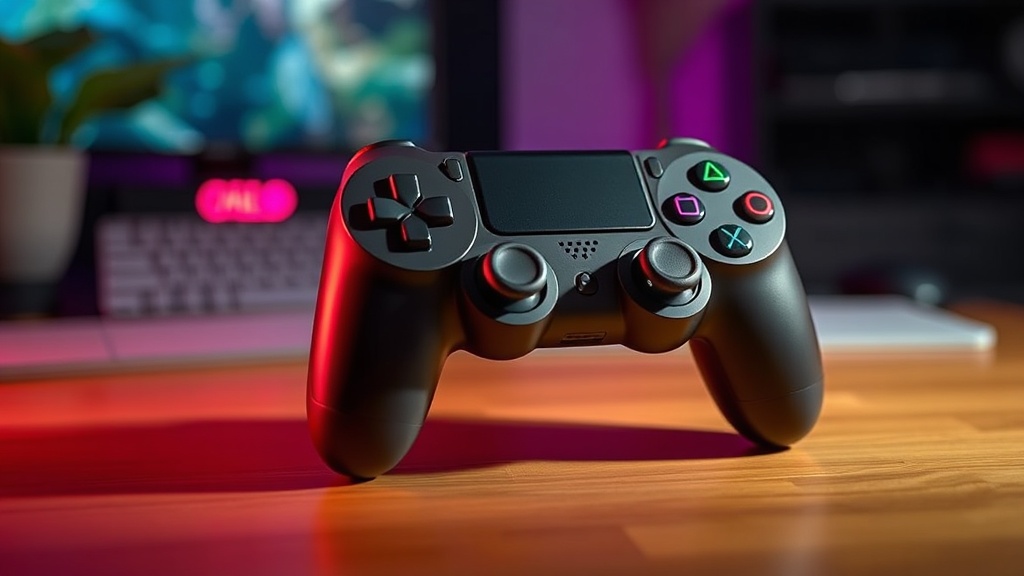
Why You Should Build a Custom Controller for Better Gameplay

A player is deep into a high-stakes match of Call of Duty or Elden Ring. They feel a sharp, stinging cramp in their right thumb, followed by a dull ache in their palm that persists long after the console is turned off. This isn't just fatigue; it is the result of a standard, mass-produced controller forcing a human hand into a shape that wasn't designed for their specific anatomy. This post explores why moving away from "off-the-shelf" peripherals toward custom-built controllers can improve your reaction times, reduce physical strain, and ultimately extend your gaming longevity.
The Limitations of Mass-Produced Controllers
Most mainstream controllers, such as the standard Xbox Wireless Controller or the DualSense, are designed for the "average" hand. While they are reliable, they are built for mass-market profitability rather than individual ergonomics. This means they often feature fixed button layouts, standard stick tensions, and non-adjustable grip sizes. For a competitive player or someone with specific hand sizes, these compromises lead to two major issues: mechanical inconsistency and physical discomfort.
When you use a standard controller, you are working within the constraints of the manufacturer. If your thumbs are particularly long, you might find yourself "clawing" the sticks, which leads to tendonitis. If your hands are smaller, the grip might feel bulky, causing you to grip the device too tightly to maintain control. This unnecessary tension is a primary driver of burnout and repetitive strain injuries (RSI). By the time you feel the ache, the damage to your dexterity may already be underway.
Standardization vs. Personalization
Standardization is great for retail, but it is the enemy of peak performance. In a competitive environment, every millisecond counts. A standard analog stick has a set amount of resistance and a specific deadzone. If that resistance doesn't match your thumb's natural strength, your micro-adjustments will be inconsistent. Customization allows you to bridge the gap between your biological input and the digital output.
Key Components of a Custom Controller
Building or ordering a custom controller involves more than just picking a color. It is about selecting specific mechanical components that alter how the device interacts with your body and the game engine. To build a superior tool, you must focus on three main areas: input technology, ergonomics, and tactile feedback.
Hall Effect Sensors
One of the most significant upgrades you can make is switching from traditional potentiometer-based sticks to Hall Effect sensors. Standard sticks use physical contact to measure position, which eventually leads to "stick drift"—that frustrating phenomenon where your character moves even when you aren't touching the controller. Hall Effect sensors use magnets to measure distance, meaning there is no physical contact and virtually no wear and tear. Brands like Gulikit and 8BitDo have popularized this technology, which provides much higher precision and a significantly longer lifespan.
Mechanical Microswitches
Standard membrane buttons (the rubber domes found under most buttons) can feel "mushy" and have a slower reset time. If you are playing fighting games like Street Fighter 6 or fast-paced shooters, you want tactile, instantaneous feedback. Replacing membrane buttons with mechanical microswitches—similar to those found in a high-end gaming mouse—provides a crisp, clicky response. This reduces the time between your physical movement and the in-game action, making your inputs feel much more responsive.
Back Paddles and Rear Buttons
A custom controller often includes rear paddles or extra buttons (sometimes called "pro" buttons). These allow you to perform complex actions—like jumping, reloading, or crouching—without ever taking your thumbs off the analog sticks. This is a game-changer for games that require constant camera movement. Instead of a "thumb-dance" where you constantly lose control of your aim to press a face button, you can map those functions to your middle or ring fingers using the rear paddles.
Ergonomics and Physical Longevity
Gaming is a physical activity, even if it doesn't look like it. The way you hold a controller dictates the tension in your forearm and wrist. When building a custom setup, consider the following ergonomic adjustments to protect your long-term health.
- Grip Texture: Some custom shells offer rubberized or textured grips. This is vital if your hands tend to sweat during intense sessions, as it prevents you from needing to "death-grip" the controller to keep it steady.
- Weight Distribution: Some players prefer a heavy, substantial feel, while others find it fatiguing. You can often add or remove weights within the shell of a custom controller to find your perfect balance.
- Button Travel: If you have joint sensitivity, you might prefer shallower button travel (how far a button travels before it clicks). This reduces the force required for every single input, saving your finger joints over long sessions.
If you are already feeling the effects of poor ergonomics, you might find that upgrading your peripheral setup is a logical next step, much like switching to a mechanical keyboard to improve typing comfort and precision. The goal is to create a seamless interface between your intent and the game's reaction.
How to Start Your Customization Journey
You do not need to be an electrical engineer to benefit from a custom controller. There are three main paths you can take depending on your budget and technical comfort level.
Level 1: The "Pro" Pre-Built Path
The easiest way to enter the world of high-end controllers is to purchase a "Pro" model from established manufacturers. Companies like Xbox Elite Series 2, SCUF, or Battle Beaver offer controllers that are already highly customized. You get back paddles, adjustable stick tension, and different button textures right out of the box. This is the best option if you want immediate performance gains without the risk of breaking delicate components.
Level 2: Modular Customization
If you want more control but aren't ready to solder, look for modular controllers. Some brands allow you to swap out the analog sticks or the face buttons with different colors and textures. This allows you to experiment with different stick heights (longer sticks generally provide more precision for aiming) and button types without a full teardown. This is a great way to learn how different physical components affect your gameplay feel.
Level 3: The DIY Build
For the truly dedicated, you can buy a "shell kit" and individual components. This involves purchasing a controller shell, a set of replacement buttons, Hall Effect sensor modules, and perhaps even a custom PCB (Printed Circuit Board). This requires a steady hand and basic soldering skills, but it offers total sovereignty over your hardware. You can build a controller that is perfectly tuned to your hand size, your grip style, and your specific gaming genre.
The Mental Benefit of a Tailored Experience
There is a psychological component to using gear that feels "right." When you are fighting against your hardware—dealing with stick drift, mushy buttons, or an uncomfortable grip—you are adding a layer of cognitive load to the game. You are no longer just playing the game; you are managing your frustration with the tool.
A custom controller removes these micro-frustrations. When the input is seamless, you enter a state of "flow" more easily. This state of flow is where peak performance happens, but it is also where gaming becomes truly enjoyable rather than a chore. By investing in a tool that respects your physical needs, you are treating gaming as a craft rather than just a way to pass the time. Whether you are climbing the ranks in a competitive shooter or exploring a vast open world, your controller should be an extension of your intent, not a barrier to it.